
 Visit JCPC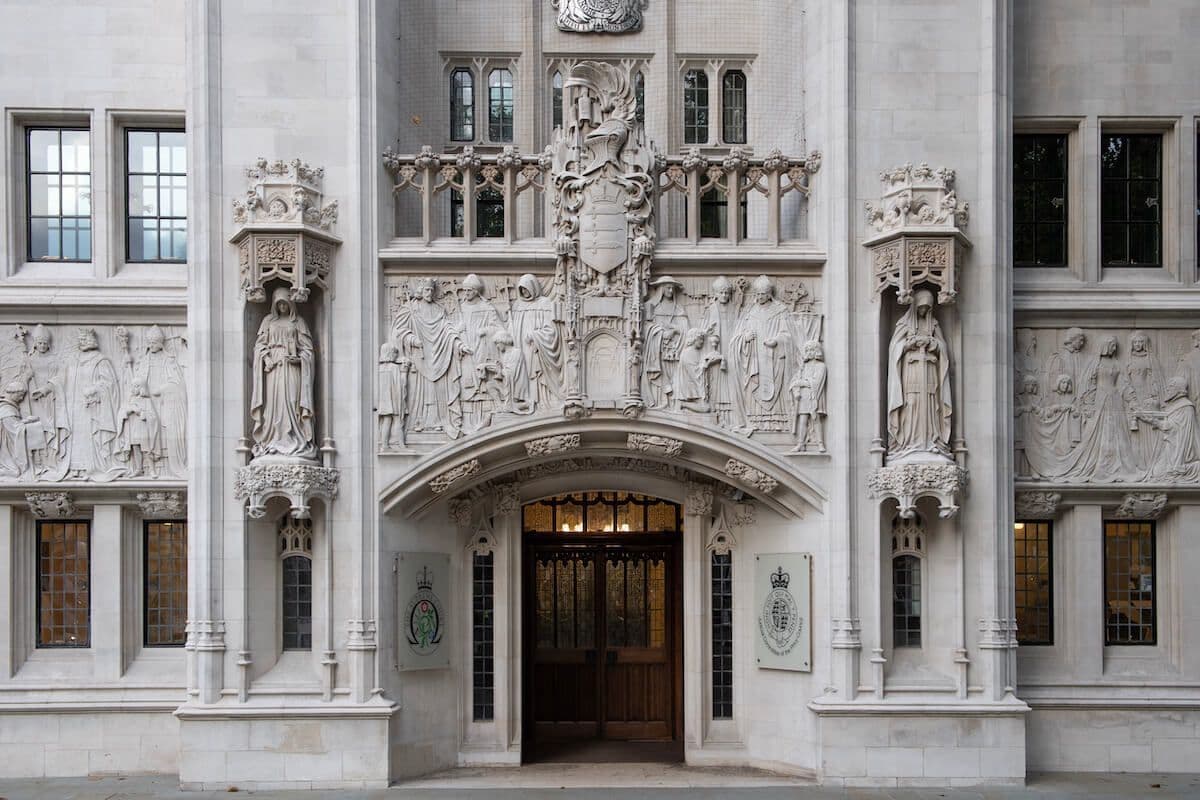
The Supreme Court of the United Kingdom
We are the final court of appeal in the UK for civil cases, and for criminal cases from England, Wales and Northern Ireland. The Supreme Court hears cases of the greatest public or constitutional importance affecting the whole population.
The Court is closed for the weekend
LISTINGS
Upcoming
- Oilfield Workers' Trade Union (Appellant) v Petroleum Company of Trinidad and Tobago Limited and another (Respondents) (Trinidad and Tobago)
The Judicial Committee of the Privy Council
Hearing
26 October 2026
Lord Hamblen,
Lord Leggatt,
Lord Burrows,
Lady Rose,
Lord Snowden
Did the Court of Appeal err in finding that the respondent did not commit an industrial relations offence under section 40(1) of the Industrial Relations Act Chap 88:01?
- Martin Phillip Revenales (Appellant) v Eric Charles and 5 others (Respondents) (Trinidad and Tobago)
The Judicial Committee of the Privy Council
Hearing
26 October 2026
Lord Lloyd-Jones,
Lord Briggs,
Lord Stephens
Is the claimant entitled to an order vesting in him title to the land owned by the second defendant, based on the claimant’s occupation of the land for over 16 years?
- In the matter of an application by Bridie Brown for Judicial Review
UK Supreme Court
Hearing
27 October 2026
Lord Sales,
Lord Hamblen,
Lord Leggatt,
Lord Stephens,
Lord Snowden
In summary, did the Court of Appeal err by: (1) Concluding that the ministerial advice was deficient, in a way which failed to apply the correct standard of Wednesbury irrationality; and then not permitting the Appellant to reconsider the decision in light of full and fresh advice from officials addressing the matters identified by the Court of Appeal. (2) Assuming the role of decision-maker in this case and overstepping its constitutional boundaries. (3) Failing to properly consider what is characterised as the ‘floodgates argument’. (4) Taking into account its recent decision in Dillon, despite that decision being subject of an ongoing appeal to the Supreme Court, and the relevant part of the decision being a section 4 Human Rights Act (“HRA”) declaration that did not change the law. (5) Ignoring the scheme for remedial action under the HRA, and or the Appellant’s appeal rights in relation to Dillon. (6) Concluding, in both its consideration of the substantive appeal and in relation to remedy, that this case was an exceptional one that could be distinguished from other similar Troubles related cases. (7) Concluding that the choice faced by the Secretary of State for Northern Ireland (“SOSNI”), when considering the appropriate investigative mechanism to discharge the Article 2 European Convention of Human Rights (“ECHR”) investigative obligation, was a “binary one” meaning that the only lawful option available was to order a Public Inquiry. (8) Then ordering the mandatory holding of a public inquiry.
- Replay Destinations (Bahamas) Ltd (Appellant) v Royal Ltd and another (Respondents) (Bahamas)
The Judicial Committee of the Privy Council
Hearing
27 October 2026
Whether the Court of Appeal erred in its interpretation of the trial judge’s findings and whether it improperly made inferences not supported by the trial judge’s judgment.
- Pasmore Millings and another (Appellants) v The King (Respondent) (Jamaica)
The Judicial Committee of the Privy Council
Hearing
28 October 2026
Lord Lloyd-Jones,
Lord Briggs,
Lord Hamblen,
Lord Doherty,
Lord Snowden
Are the Appellants’ convictions and sentences for murder unsafe in circumstances of an alleged plea deal on the part of an accomplice whose evidence was uncorroborated?
THINGS TO DO

Take a tour of the Court
We offer a range of tours to suit individuals and groups, including in-person and virtual tours.
Our cafe
The UK Supreme Court cafe is open to the public Monday to Friday between 9am and 4pm.
NEWS
Future judgments
•
23 October 2026
Future Judgments
Future judgments
Justices
•
23 October 2026
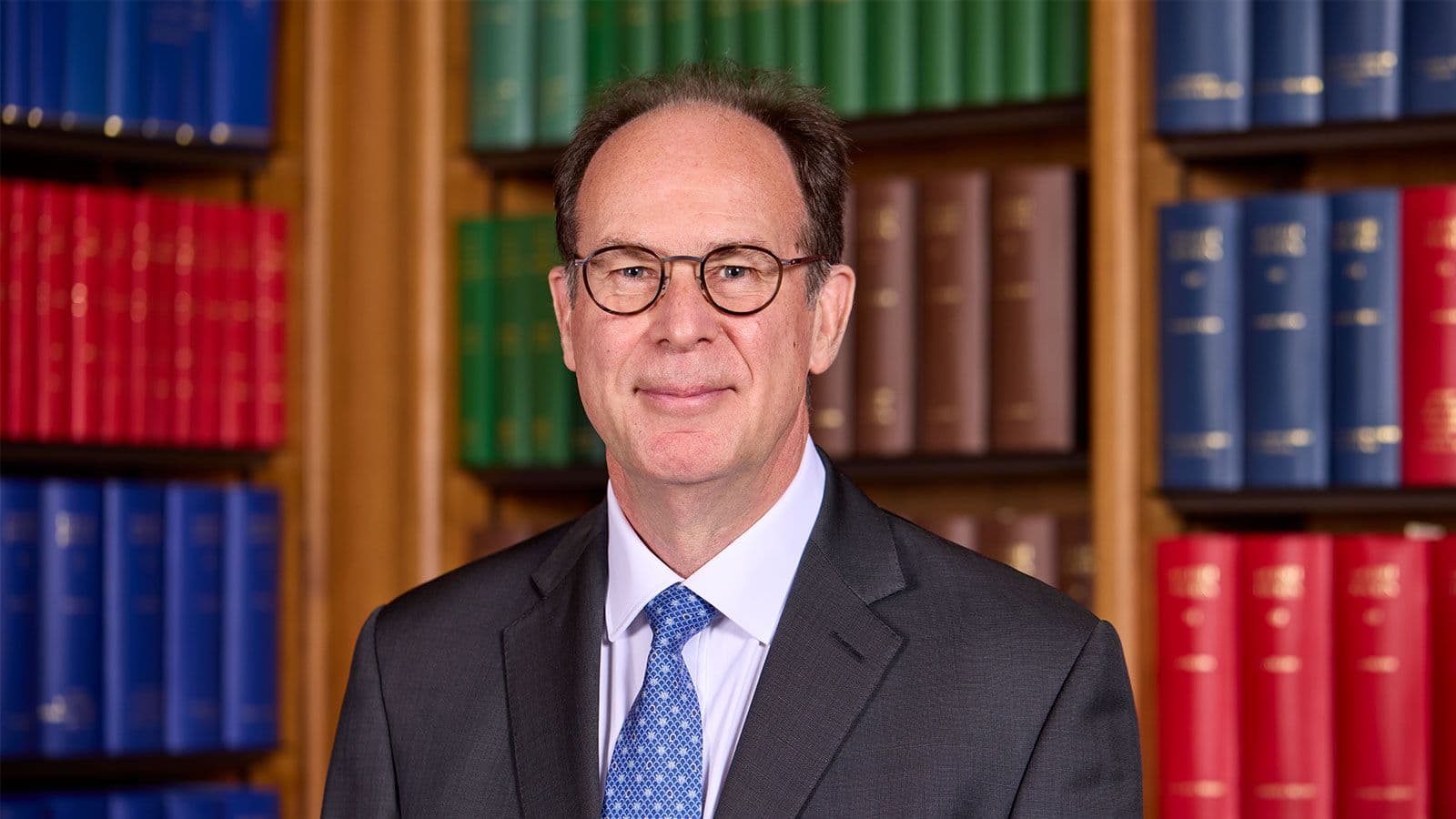
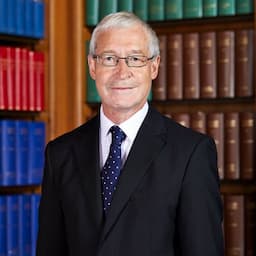
Lord Snowden speaks to BBC Radio about his background and career in the Law
Lord Snowden, who was appointed to the Supreme Court earlier this year, has spoken to BBC Radio about his early life and background in Redcar, Cleveland, and his subsequent rise through the legal profession to the UK's highest court.
Justices
•
21 October 2026
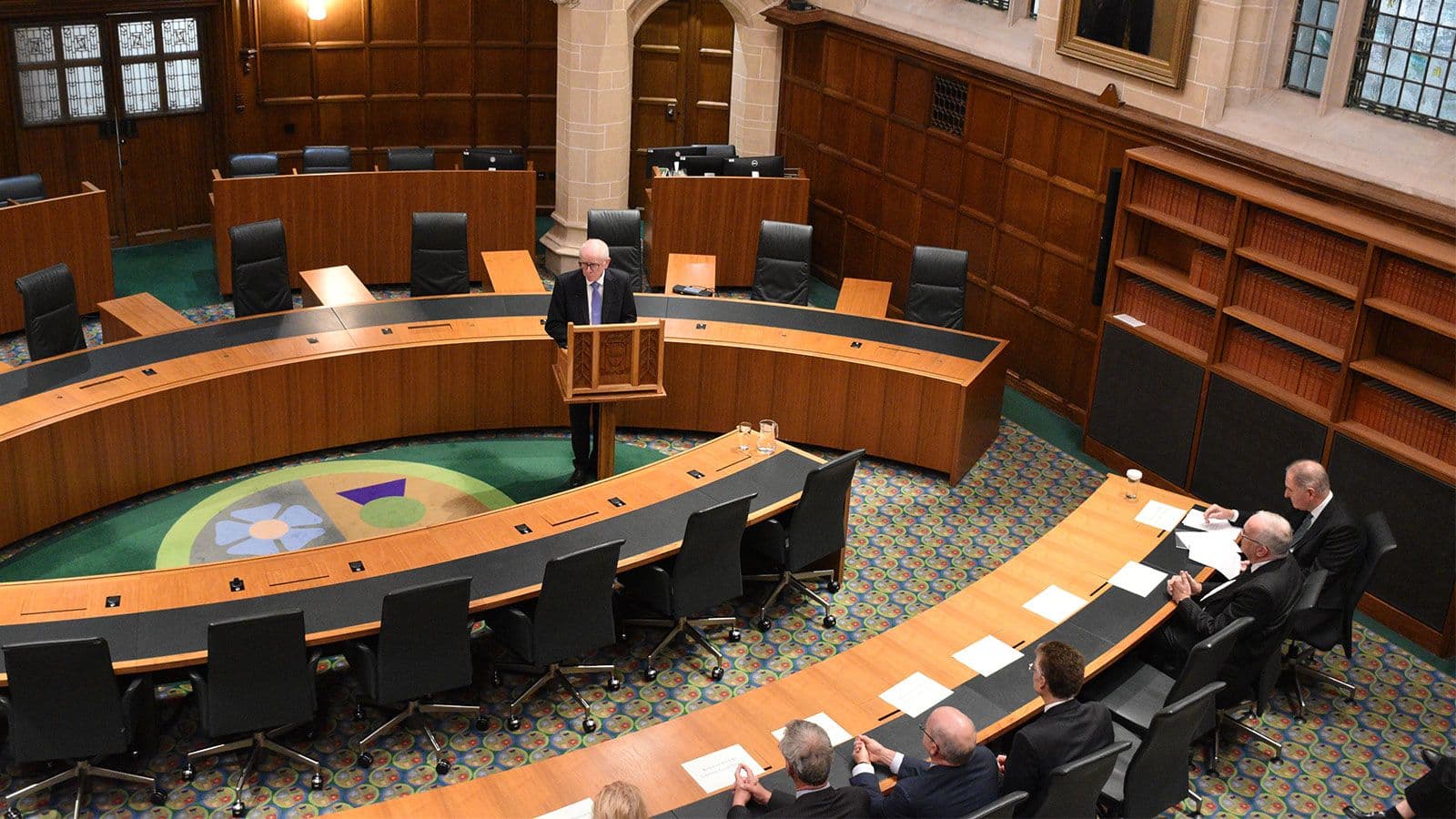
Lord Reed delivers his valedictory lecture: Past and Present - Celebrating the 150th Anniversary of the Law Lords
The President of the Supreme Court Lord Reed of Allermuir has delivered his valedictory lecture ahead of his retirement next year.
SPEECHES
LATEST JUDGMENTS
21 October 2026
ScottishPower (SCPL) Limited and others (Respondents) v Commissioners for His Majesty’s Revenue and Customs (Appellant)22 September 2026
R (on the application of Quaye) (Appellant) v Secretary of State for Justice (Respondent)17 September 2026
Forthwell Limited (Appellant) v Pontegadea UK Limited (Respondent)9 September 2026
In the Petition of DM No 1- In the Petition of DM No 2